
Preparing for birth often focuses on vaginal delivery, but knowing what to expect from a Caesarean Section (C-section) is just as vital. Whether your C-section is planned or an unexpected turn in your labour journey, it’s major surgery. Having practical tips for surviving a C-section will make your recovery smoother and allow you to focus more quickly on bonding with your baby.
Here is a guide to preparing for and recovering from a C-section, designed to help you feel informed and empowered.
Before the Surgery: Preparation and Procedure
While C-sections are often performed using an epidural or spinal anaesthetic, allowing you to be awake for the birth, a general anaesthetic may be used if it’s an emergency or unplanned delivery. Preparation is key:
- Pre-Op Details: You will usually be asked not to eat or drink anything (Nil By Mouth, or NBM) for a period before the surgery, and you will likely have blood tests and a shower. The hospital staff may also prepare the area for surgery.
- The Theatre Setup: Once in the operating theatre, a few standard procedures occur: a bladder catheter will be inserted, a blood pressure (BP) cuff will be placed on your arm, and an intravenous (IV) line will be put in your arm for fluids and medication.
- Essential Prep for Your Stay: Pack a tote bag with essentials for your first few days in the hospital. This prevents you from having to rummage through your main luggage while you have limited mobility. Ensure you have high-waisted briefs or recovery pants that don’t put pressure directly on the incision site—avoid anything that sits low like bikini undies.
Immediate Post-Op: Pain Management and Movement
The first 24 to 48 hours are crucial for setting the stage for a smooth recovery.
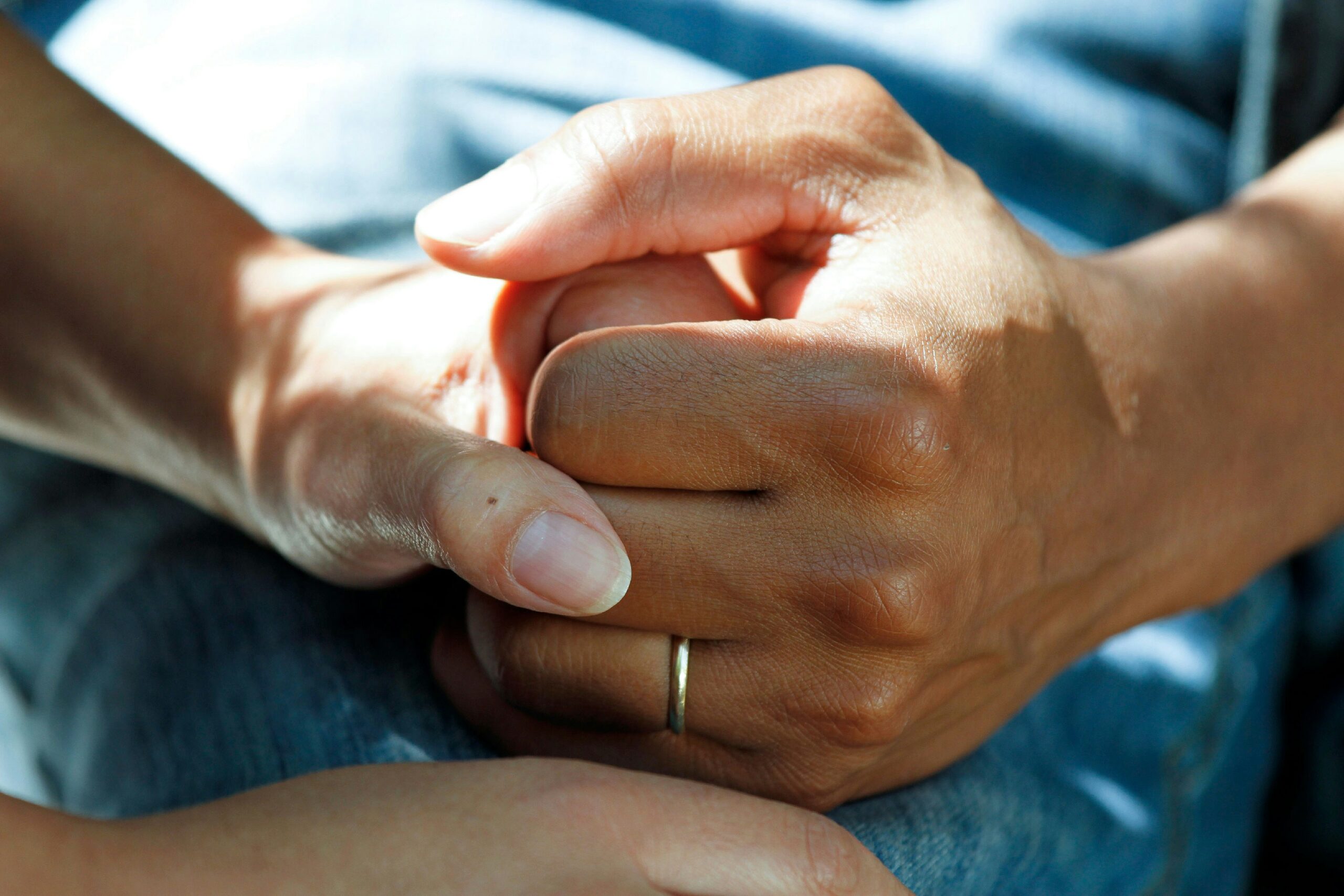
Photo by National Cancer Institute on Unsplash
Stage 1: Pain Relief is Priority
Take your pain medication regularly as prescribed by your doctor. There is no benefit in trying to “tough it out.” Staying ahead of the pain will allow you to move more easily, which is essential for healing.
Stage 2: Move Early and Gently
Getting out of bed and taking short, gentle walks as soon as your medical team says it’s safe (often within 12-24 hours) is one of the best tips for surviving a C-section. Movement encourages circulation, which aids healing, and helps reduce discomfort caused by wind in the abdomen.
Stage 3: Cough and Sneeze Support
Use a pillow over your tummy when you need to cough, sneeze, or laugh. Applying gentle pressure provides stability to the incision site and significantly reduces pain.
Stage 4: Small Comforts
A small hot or cold pack (as advised by your midwife) can offer relief. Also, bring an extra-long lead for your phone charger so you don’t have to reach or strain your body to plug it in.
The Weeks Following: Healing at Home
You will typically stay in the hospital for four to six days, but some mothers may be able to leave sooner if both mum and baby are well. Full physical recovery can take anywhere from six weeks to six months, so patience is key.
- Restrict Lifting: For the first six weeks, do not lift anything heavier than your baby. This is vital to protect your abdominal muscles and incision while they heal.
- Driving and Activity: Avoid driving for up to six weeks, or until your doctor clears you, as you need to be able to perform an emergency stop without pain. Be careful with stairs and walking up hills, as these movements can be difficult initially.
- Consider a Belly Band: A belly band or supportive garment can be helpful. It provides gentle compression and support to your core, making movement easier and feeling more secure.
- Home Support is Crucial: It’s essential to have someone at home with you for the first few days to help with chores, lifting, and the baby. If applicable, your partner should investigate using Carer’s Leave.
Emotional and Practical Wellbeing
An unplanned C-section can bring a great mix of emotions, including disappointment or a feeling of loss of the intended birth experience. Be aware that these feelings are normal, and you should seek support if they persist.
- Set Up Your Nest: Before coming home, your partner can ensure your house is clean, and your fridge and freezer are full of food. This preparation removes a significant source of stress during your recovery period.
- Support Network: Have your support network set up—whether it’s family, friends, or a community group. Don’t hesitate to accept help with laundry, cleaning, or just listening.
C-Section Prep and Recovery Help
By following these tips for surviving a C-section, you can manage your recovery effectively and focus on the joy of your new baby. Remember, a C-section is a powerful birth, and you deserve all the care and time needed to heal.
For comprehensive preparation that covers all birth scenarios, including C-sections, consider booking one of our specialised classes. We provide a supportive environment to help you feel confident about your birth and recovery journey. If you have any questions, please reach out to Carmel directly at [email protected]. You can book your class today by visiting our Book My Class page.