
The six-week postpartum check-up has long been seen as the finish line for new mothers. It’s the moment many expect to be “cleared” by their doctor, to feel “back to normal,” and to return to their pre-baby life. However, this idea of a swift recovery is a myth. The reality is that postpartum recovery is a long-term journey that extends far beyond those first six weeks.
Let’s be honest: at six weeks, many mothers are still navigating a complex landscape of physical and emotional changes. The pressure to “bounce back” is immense, but the truth is, healing takes time.
The Six-Week Reality Check
If you’re at six weeks postpartum and still don’t feel like yourself, you’re not alone. This is completely normal. Here’s what’s really happening during those first six weeks and beyond:
- Physical Healing: You may still be bleeding, and your pelvic floor is still healing from the strain of birth. Stitches, whether from an episiotomy or a Caesarean section, can still be tender. This physical healing is a gradual process that can take many months.
- Hormonal Fluctuations: Your hormones are still fluctuating wildly as your body adjusts. This can impact your mood, energy levels, and overall well-being.
- Sleep Deprivation: With a newborn on a demanding schedule, sleep deprivation is at its peak. This can affect everything from your ability to think clearly to your emotional resilience.
- Establishing Feeding: Whether you’re breastfeeding or bottle-feeding, the feeding journey is often a major focus during these early weeks. This can be challenging and requires patience and perseverance to establish a system that works for you and your baby.
More Than Just a Physical Recovery
Beyond the physical aspects, postpartum recovery is also deeply emotional and mental.
- Mental Health Challenges: For many new mothers, mental health challenges like anxiety or postpartum depression may just be surfacing at the six-week mark. These conditions can take time to diagnose and manage, and they require ongoing support.
- Finding Your New Identity: You’re not just recovering physically; you’re also adjusting to a new identity as a mother. This can be overwhelming and takes time to process.
The truth is, healing after birth doesn’t fit neatly into a six-week box. For some, it takes months. For others, it takes a year or more. The pressure to feel “back to normal” at six weeks is unrealistic and can lead to unnecessary stress and feelings of inadequacy.
Shifting the Mindset: A Long-Term Process
We need to stop treating six weeks as the “finish line” and start treating postpartum care as what it truly is: a long-term process that requires ongoing support, rest, and compassion.
Instead of focusing on “bouncing back,” let’s focus on holding space for mothers as they navigate this transformative period. This means:
- Prioritising Rest: Rest is not a luxury; it’s a necessity. Don’t feel guilty for resting when the baby sleeps, and ask for help so you can get a break.
- Seeking Support: Lean on your partner, family, and friends. Don’t be afraid to ask for help with chores, meals, or simply to hold the baby while you have a moment to yourself.
- Compassion for Yourself: Be kind to yourself. Your body and mind have just gone through an incredible transformation. It’s okay if you don’t feel like yourself right away.
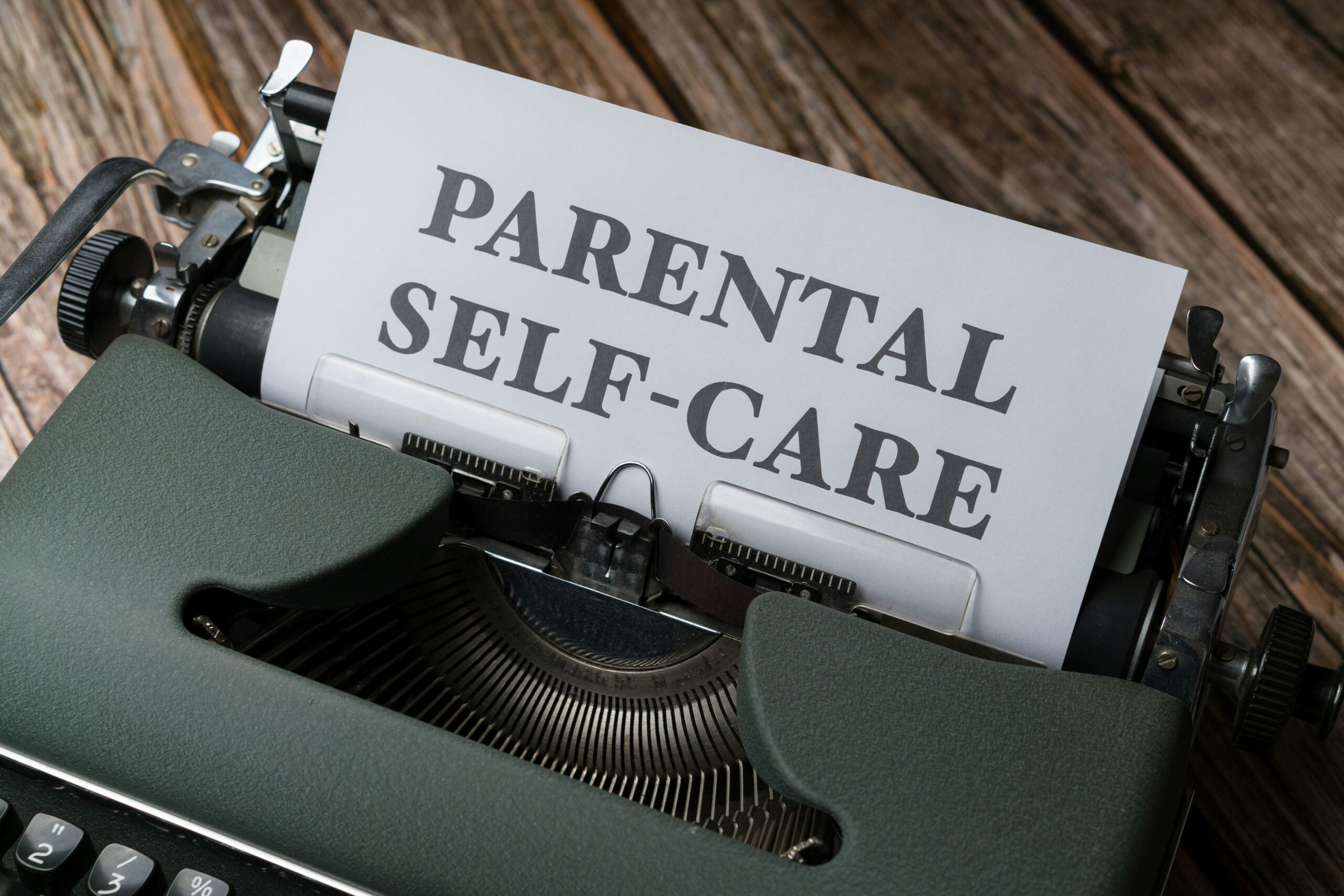
Photo uploaded by Markus Winkler on Unsplash.
- Professional Help: If you feel overwhelmed, sad, or anxious, reach out to your GP or a mental health professional. Organisations like PANDA, COPE, Tresillian & Karitane, can provide invaluable support and resources.
Postpartum recovery is a marathon, not a sprint. By acknowledging that six weeks is just the beginning, we can create a more supportive and realistic environment for new mothers, allowing them the time and space they truly need to heal and adjust.
Get Postpartum Recovery Guidance
For more guidance on preparing for your baby and navigating the postpartum period, consider booking one of our classes. We provide a comprehensive and caring environment to help you feel confident and supported. If you have any questions, please reach out to Carmel directly via email at [email protected]. We are here to help you every step of the way. You can book your class today by visiting our Book My Class page.