
The Importance of Pelvic Floor Exercises in Pregnancy & for New Mums
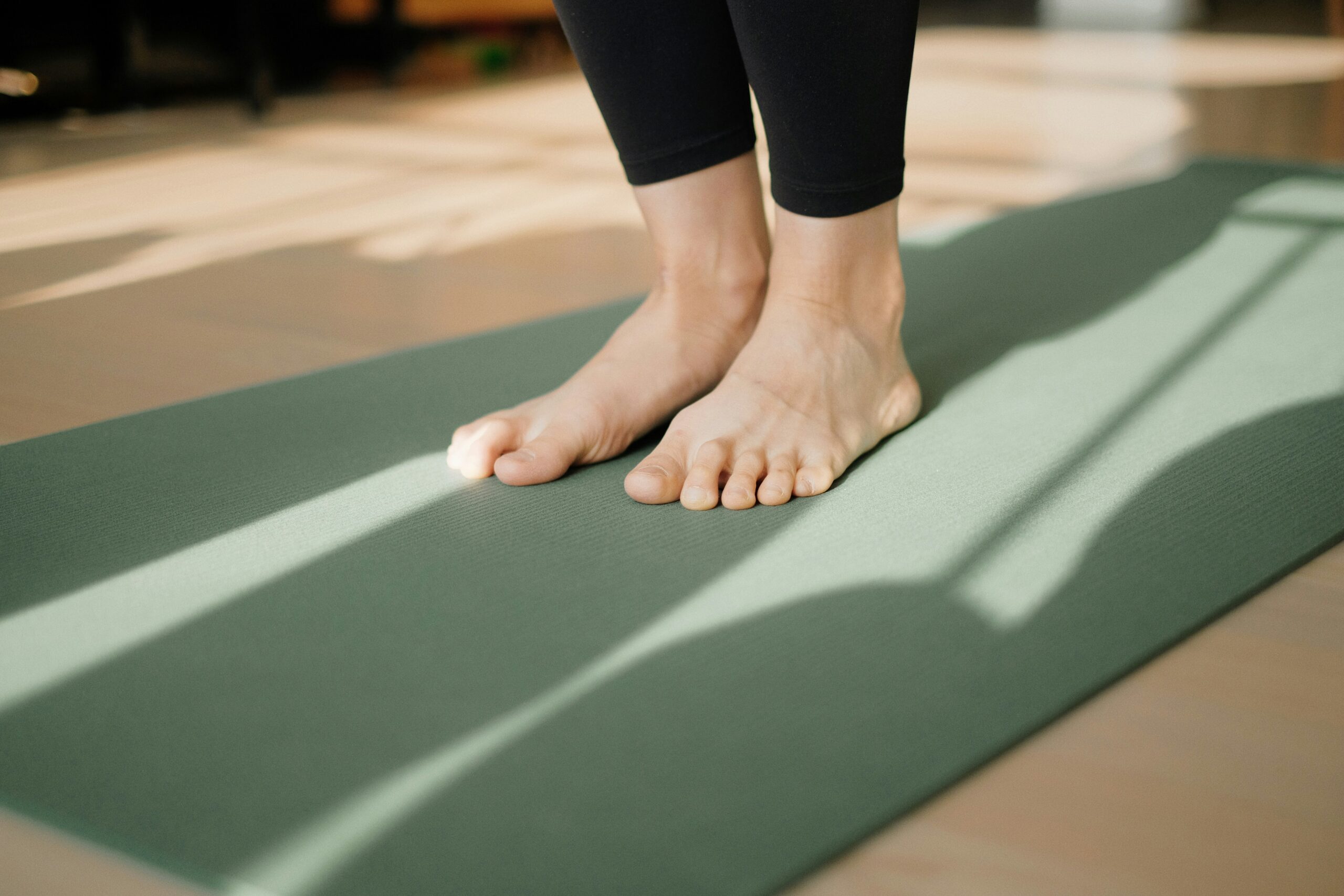
Photo by Junseong Lee on Unsplash
As an expectant or new mother, you’re likely focused on scans, nursery prep, and endless lists. One area that often gets overlooked, yet is foundational to your comfort, health, and recovery, is the pelvic floor.
These muscles are the unsung heroes of the core, and taking the time to learn and commit to regular pelvic floor exercises is one of the most proactive steps you can take to support your body through pregnancy, labour, and the challenging postpartum phase. Neglecting these exercises can lead to uncomfortable and often embarrassing issues like incontinence, but a focused routine can make a dramatic difference.
What is the Pelvic Floor and Why Does it Matter?
The pelvic floor is a layer of muscles and connective tissues that stretch like a hammock or trampoline from the tailbone (coccyx) at the back to the pubic bone at the front.
It has three crucial jobs:
- Support: It holds all your pelvic organs—the bladder, uterus, and bowel—in place, resisting the constant force of gravity.
- Control: It wraps around the passages (urethra, vagina, and rectum) to control the release of urine, faeces, and wind.
- Stability: It works with the abdominal and back muscles to stabilise your core and lower back.
Simply put, a weak pelvic floor can impact everything from your posture and back health to your bladder control when you laugh or cough.
The Impact of Pregnancy on the Pelvic Floor
During pregnancy, the pelvic floor muscles are under continuous, increasing strain. This stress comes from two main sources:
- Hormones: Pregnancy hormones like relaxin loosen ligaments and connective tissue throughout your body to prepare for birth. While essential, this also can make the pelvic floor softer and less taut.
- Weight: The growing baby, uterus, amniotic fluid, and placenta exert significant downward pressure on the pelvic floor. Over nine months, this can cause the muscles to stretch, weaken, and descend.
If these muscles are not actively maintained through pelvic floor exercises, this constant pressure can lead to issues like stress incontinence (leaking urine when sneezing, coughing, or running), which is very common but not normal, and should be addressed.
Benefits of Pelvic Floor Exercises During Pregnancy
Starting a routine of pelvic floor exercises while pregnant is not just about prevention; it’s about preparation.
- Better Bladder Control: Consistent strengthening can significantly reduce or eliminate those little leaks that occur during pregnancy.
- Support for the Spine: A strong pelvic floor contributes to a more stable core, helping to manage pregnancy-related lower back and pelvic girdle pain.
- Preparation for Labour: Having strong, yet flexible, pelvic floor muscles can help you effectively support the pushing stage of labour. Crucially, learning how to relax these muscles is just as important as strengthening them to allow for the baby’s passage.
- Quicker Postpartum Recovery: Muscles that were strong and toned before and during birth tend to recover tone and function much faster afterwards.
Postpartum: Recovering Your Core
Whether you had a vaginal delivery or a caesarean section, your pelvic floor has been through a monumental change.
- Vaginal Birth: These muscles may be stretched, bruised, or torn, significantly reducing their function immediately after birth.
- Caesarean Birth: While the baby didn’t pass through the vagina, the nine months of carrying the baby’s weight still caused stretching and weakening. Furthermore, abdominal surgery affects deep core muscles that work in tandem with the pelvic floor, making rehabilitation essential.
Restarting pelvic floor exercises should be done gently and under the guidance of a healthcare professional (like your doctor or a women’s health physiotherapist) but can usually begin within a few days postpartum, or as soon as you feel comfortable. A consistent routine is the key to regaining full bladder control, healing the perineum, and improving confidence as you return to physical activity.
How to Do Pelvic Floor Exercises (The Simple Guide)
The main challenge with pelvic floor exercises is finding the right muscles and knowing you’re doing them correctly.
- Find the Muscles: Imagine you are trying to stop yourself from passing wind and trying to stop the flow of urine mid-stream (though don’t actually do this on the toilet, as it can disrupt bladder function). The feeling of lifting and squeezing these muscles is your pelvic floor.
- The Squeeze and Lift: Once you have located the muscles, the exercise involves a two-part action:
- Slow Contraction (Endurance): Squeeze and lift the muscles upward as hard as you can, hold for a count of 5 to 10 seconds, then slowly and completely relax. Repeat 5 to 10 times.
- Fast Contraction (Speed/Power): Squeeze and lift the muscles quickly, hold for just 1 second, then immediately release. Repeat 5 to 10 times.
- Relaxation is Key: Always ensure you fully relax the muscles between contractions. You should feel a definite “let go” sensation.
Aim to complete a set of 5-10 slow holds and 5-10 fast squeezes three times per day. Remember to breathe normally throughout—don’t hold your breath!
Make it a Habit
The only way these exercises work is through consistency. Tie them to a daily habit, such as:
- Every time you wait for the kettle to boil.
- Every time you stop at a red light while driving.
- Every time you are feeding your baby (a perfect, quiet, seated opportunity).
Prioritising your pelvic floor health now is an investment in your future well-being. It is a critical component of postpartum recovery that is often overlooked. If you are struggling to feel the muscles or have concerns about prolapse or significant bladder leakage, please seek an assessment from a Women’s Health Physiotherapist.
If you’re feeling overwhelmed by all the changes in your body, or want more practical guidance on core rehabilitation and baby care, Having A Baby Classes is here to help you feel knowledgeable and confident. Our comprehensive classes cover everything from core recovery to sleep cues and baby development.
For more information on our classes, or to book your session, please visit our website. If you have specific questions, you can always reach out to Carmel directly at [email protected].